

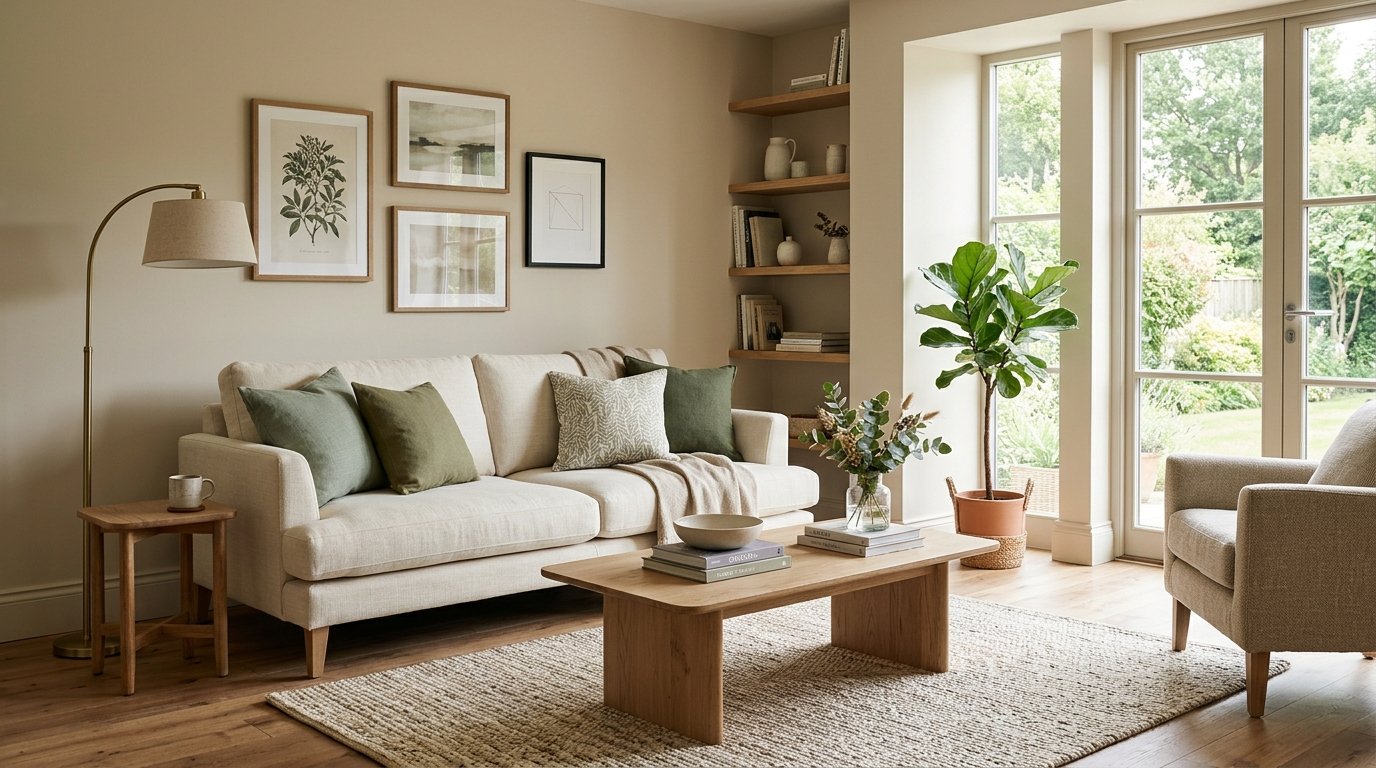
Decorating your home can feel overwhelming when you have many ideas but do not know where to start. You might want a more stylish living room, a relaxing bedroom, or a welcoming entrance without spending too much money. The good news is that thoughtful planning and a few simple changes can make your home feel more comfortable and attractive.
The best tips for decorating your home begin with understanding your needs, choosing colors that work together, and making the most of your existing furniture. You do not need to follow every trend or purchase expensive accessories. Instead, focus on creating a space that reflects your personality and supports your daily routine.
1. Start With a Plan and Choose Your Decorating Style
Before buying furniture or accessories, decide how you want your home to look and feel. Do you prefer a modern, traditional, minimalist, rustic, or cozy style? You can combine elements from different styles, but a consistent direction helps each room feel connected.
Look at interior design photographs and save examples you genuinely like. Pay attention to recurring colors, materials, furniture shapes, and lighting choices. These details can help you identify your preferences.
Next, consider how you use each room. A family living room may need durable fabrics and comfortable seating, while a home office requires practical lighting and an organized work surface. Your decorating choices should support these everyday activities.
Measure your rooms before purchasing large items. Sketching a basic layout can help you determine whether furniture will fit comfortably and leave enough space to walk around.
Practical tip: Create a small inspiration board with three to five images, a few color samples, and examples of furniture or materials you like. Use it as a guide when making decorating decisions.
2. Choose Colors That Create a Balanced Look
Color influences the mood of a room and helps different decorative elements work together. A coordinated palette can make even a simple space look carefully planned.
Start with a base color for the walls or largest surfaces. Shades such as cream, warm white, beige, and soft gray provide a flexible background. You can then introduce one or two complementary colors through cushions, curtains, artwork, rugs, and decorative accessories.
If you enjoy bold colors, use them strategically. A deep green chair, navy cushions, or terracotta accessories can create a focal point without overwhelming the entire room.
Lighting also affects how paint colors appear. A shade that looks warm in a store may appear cooler in a north-facing room or under different artificial lighting. Test paint samples on the wall and observe them at different times of day before making a final decision.
Remember that not every room needs exactly the same colors. Instead, repeat a few related shades or materials throughout the home to create a sense of connection.
Practical tip: Follow a simple approach: choose one main color, one supporting color, and one accent color. Adjust the proportions to suit the room and your personal taste.
3. Arrange Furniture for Comfort and Easy Movement
Furniture arrangement can change how a room looks and functions without requiring new purchases. A well-planned layout makes it easier to move around, encourages conversation, and gives important pieces enough space.
Begin by identifying the room’s main purpose. In a living room, the sofa and chairs might face one another or focus on a television or fireplace. In a bedroom, the bed usually acts as the central feature, with bedside tables placed where they are convenient.
Avoid pushing every piece against a wall simply because it seems like the easiest option. Depending on the room’s size, bringing seating slightly closer together can create a more inviting conversation area. However, always leave comfortable walking paths and avoid blocking doors, windows, or essential access points.
Use rugs to define different zones in open-plan spaces. For example, a rug beneath the main seating area can visually separate the living room from a dining space. Make sure the rug is appropriately sized for the furniture arrangement.
Before moving heavy furniture, try a simple floor plan using paper cutouts or a digital room planner. This can help you compare layouts before doing the physical work.
Practical tip: Start by moving one major piece of furniture, then assess the space before changing anything else. Small adjustments may provide the improvement you need.
4. Improve Lighting and Add Texture
Lighting and texture help a home feel layered rather than flat. Even a beautifully decorated room can feel uncomfortable if the lighting is harsh or the materials all look the same.
Use more than one type of lighting where possible. Ceiling fixtures provide general illumination, table lamps support reading and relaxing, and accent lights can draw attention to artwork or architectural features. Choose suitable brightness for the room’s activities, and consider dimmable lighting where practical.
Natural light deserves attention, too. Keep windows clean, avoid placing bulky furniture where it unnecessarily blocks daylight, and choose curtains that suit the room’s privacy and light-control needs.
Texture adds another layer of interest. Combine smooth surfaces with softer or more tactile materials, such as linen curtains, knitted throws, wooden furniture, woven baskets, and textured cushions. These combinations can make neutral rooms feel warmer without adding lots of colors.
Plants, ceramics, books, and natural materials can also contribute visual variety. Select a few pieces that complement the room rather than filling every available surface.
Practical tip: In a living room, combine a ceiling light, one floor or table lamp, and two or three different textures. This creates depth while keeping the design manageable.
5. Decorate With Personal Items and Keep Clutter Under Control
Your home should reflect the people who live in it. Personal photographs, meaningful artwork, travel souvenirs, favorite books, and handmade objects can make a room feel distinctive and welcoming.
The key is thoughtful placement. Instead of displaying every decorative item at once, select a few favorites and group them in an intentional way. On a shelf, vary the heights of books and objects while leaving some empty space. On a coffee table, place a small collection on a tray to keep the arrangement organized.
Storage is equally important. Use baskets for blankets, drawers for small everyday items, and closed cabinets for things you do not want on display. In smaller rooms, vertical shelves and multifunctional furniture can help you use available space more effectively.
Decluttering does not mean removing everything that makes your home personal. It means keeping what you use or love and finding practical places for the rest. Review decorative items occasionally and change displays when you want a fresh look.
Finally, avoid buying accessories simply to fill an empty corner. Give yourself time to live in the space and understand what it actually needs.
Practical tip: Choose three meaningful decorative objects for a shelf or table, arrange them at different heights, and leave enough open space to keep the display visually calm.
Conclusion
Good home decorating is about balancing personal style, comfort, and function. By planning your layout, choosing coordinated colors, arranging furniture carefully, improving lighting, and displaying meaningful objects, you can create a home that feels both attractive and practical.
Start with one room and make changes gradually. Rearrange what you already own before buying anything new, and prioritize improvements that make everyday life easier. With a clear plan and a few thoughtful choices, you can create a space that feels like your own.
Frequently Asked Questions
How can I decorate my home on a small budget?
Rearrange existing furniture, repaint a small area, update cushion covers, display personal photographs, and add affordable plants. Shopping your own home for items to reuse can also help you refresh a room without unnecessary spending.
What is the first thing to do when decorating a room?
Decide how you will use the room and identify the main furniture pieces. Then plan the layout, choose a color palette, and determine what lighting or storage improvements are needed.
How do I make my home look coordinated?
Repeat a few colors, finishes, or materials throughout the home. You do not need identical furniture in every room; small visual connections can make different spaces feel cohesive.
How can I make a small room feel bigger?
Use appropriately sized furniture, keep walking paths clear, maximize natural light, and reduce unnecessary clutter. Mirrors can also reflect light and create a greater sense of visual depth when placed thoughtfully.
