

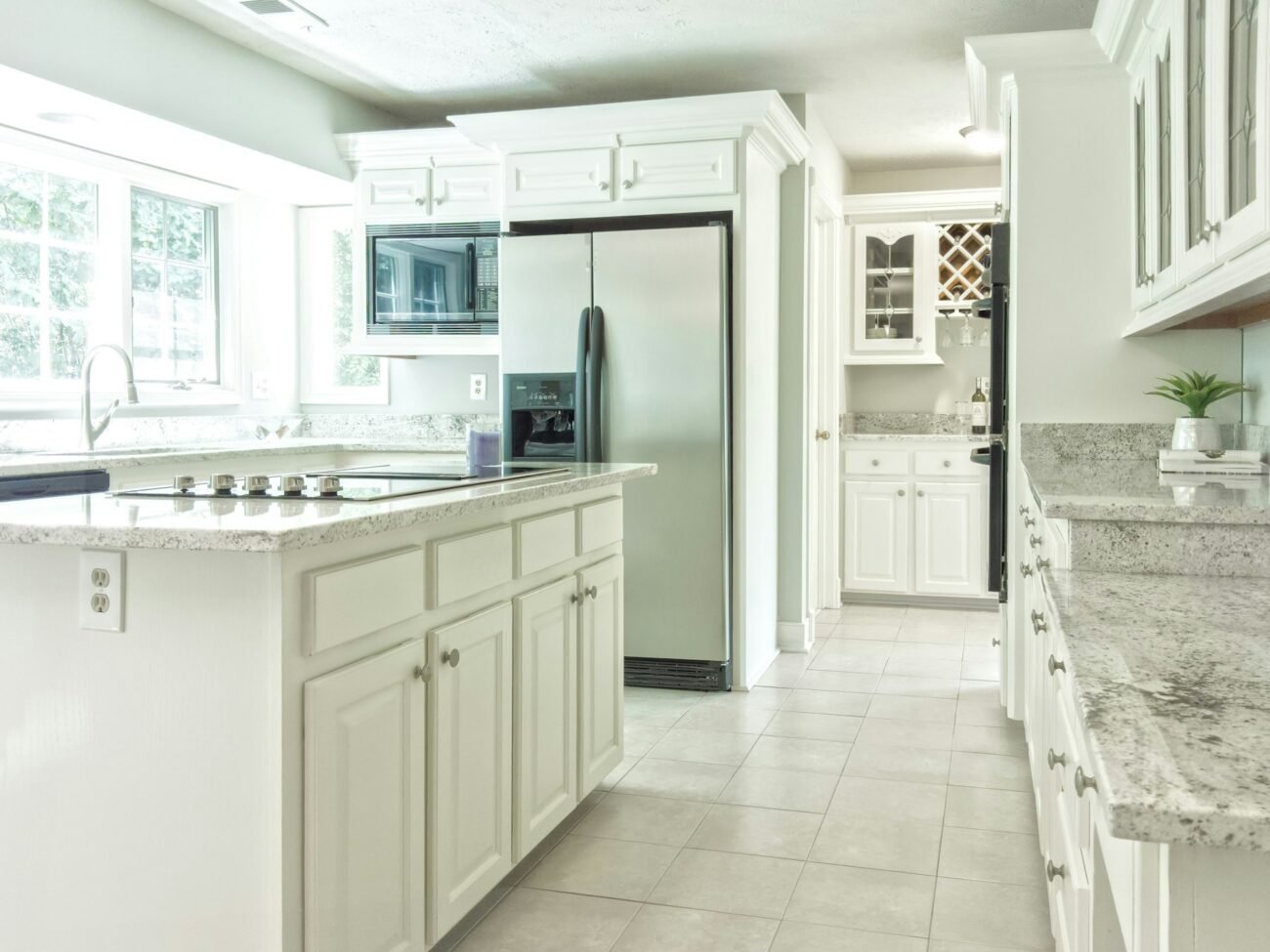
Granite Countertop Choices That Balance Kitchen Design and Budget
A new granite countertop can become one of the most noticeable features in a kitchen. Natural mineral patterns create distinctive surfaces, while the material’s hardness makes it suitable for many everyday cooking activities. However, selecting granite involves more than finding an attractive color. We should consider slab dimensions, cabinet combinations, edge details, fabrication, and installation costs. A careful buying process helps homeowners choose a surface that fits their kitchen and financial plans.
Begin With the Kitchen’s Design Goals
Before selecting a granite slab, review the kitchen’s existing colors and layout. Cabinet finishes, lighting, backsplash materials, and available counter space can influence which granite patterns look balanced. Therefore, material selection should begin with the complete room. Choosing custom granite countertops allows homeowners to consider slab patterns, edge profiles, and layouts that suit their kitchens. However, every choice should also account for practical details such as sink openings, available slab sizes, and suitable cabinet support. For homeowners in Columbus, Ohio, United States, comparing actual granite slabs can provide a clearer understanding of color and pattern differences than relying on website images alone.
Understand What Makes Granite Different
Granite is a natural stone, so its mineral patterns vary. Some slabs have small, consistent speckles, while others show broad movement or stronger color changes. However, two slabs with the same general color name may look noticeably different. We should examine the actual slab before approving fabrication. This becomes especially important for large islands or kitchens that need several countertop pieces.
Natural Patterns Create Unique Surfaces
Granite’s appearance comes from its mineral composition. Therefore, different stones may contain white, gray, black, brown, gold, or other tones. These combinations can complement many cabinet finishes. However, strong natural patterns may compete with highly detailed backsplashes. We should decide which surface should become the kitchen’s main visual feature.
Review the Slab Finish
Polished granite provides a reflective appearance, while other suitable finishes may create a softer look. However, finish availability depends on the selected stone and supplier. We should compare samples under natural and artificial lighting. The finish can influence both appearance and cleaning expectations.
Choose Granite Colors That Complement Cabinets
Countertop color strongly influences the kitchen’s overall appearance. However, the best choice depends on cabinet undertones, room size, and surrounding materials. Compare complete combinations instead of selecting granite in isolation.
White and Light Granite
Light granite may help create a bright kitchen. White, cream, and pale gray varieties can complement darker cabinetry or provide a softer appearance beside white cabinets. However, light granite often contains visible mineral patterns. We should inspect the full slab to understand how those patterns will appear across the finished countertop.
Black and Dark Granite
Dark granite can provide contrast beside white or light wood cabinets. Meanwhile, polished black surfaces may create a strong modern appearance. However, some dark finishes show water marks, fingerprints, or dust more clearly. We should consider cleaning preferences before choosing.
Warm Granite Tones
Brown, beige, and gold granite can complement natural wood cabinets. These colors may work particularly well in kitchens with warm flooring or traditional finishes. However, excessive use of warm tones can make a room feel visually heavy. We should balance the countertop with suitable wall and backsplash colors.
Compare Granite Patterns Before Ordering
The right pattern can connect several kitchen finishes. However, a busy slab may overwhelm a small space when combined with decorative cabinets. Exploring different granite countertop colors can help us identify options that suit the room. We should also compare patterns at full-slab scale rather than relying only on small samples.
Consider Pattern Direction
Some granite slabs have a noticeable direction to their mineral movement. Therefore, slab orientation can influence the appearance of a long countertop or island. We should ask how the fabricator plans to position each piece. This matters when the finished design includes multiple sections.
Review Seams in Advance
Large kitchens sometimes require more than one countertop section. However, natural stone patterns may not align perfectly across every seam. We should discuss seam placement before fabrication. A suitable arrangement can make the finished surface appear more coordinated.
Select Practical Granite Countertop Edges
Edge profiles affect appearance and everyday comfort. However, some decorative profiles require additional fabrication work. A simple eased edge can complement modern kitchens. Meanwhile, rounded or detailed edges may suit more traditional designs.
Eased Edges
An eased edge provides a straightforward finished profile. It can create a clean appearance while reducing sharp corners. However, the exact finish should suit the selected stone thickness. We should compare actual edge samples before deciding.
Rounded Edges
Rounded profiles may create a softer visual effect. They can also complement curved cabinet hardware or traditional kitchen details. However, the edge choice should not interfere with cabinet openings or surrounding fixtures.
Decorative Profiles
More detailed granite edges may add visual interest. However, additional fabrication can increase costs. We should ask whether the desired profile is suitable for the selected slab and project budget.
Check Cabinet Stability and Countertop Support
Granite countertops require a suitable supporting structure. Therefore, we should inspect existing cabinets before replacing the surface. Cabinets with water damage, loose connections, or uneven tops may need adjustments. However, replacing every cabinet is not always necessary.
Review Kitchen Island Overhangs
An island may include seating that extends beyond the cabinet base. However, the allowed overhang depends on stone thickness, material characteristics, and support design. We should review these details with the fabricator rather than making assumptions based on photographs.
Confirm Sink and Appliance Openings
Sink cutouts and appliance clearances influence fabrication. Therefore, we should choose the sink and confirm specifications before final measurements. Changing these details after the stone has been cut can create unnecessary expenses.
Understand Granite Fabrication and Installation
Granite slabs require careful measurement, cutting, and finishing. However, the complexity varies according to the kitchen layout. Straight countertop sections may require less detailed work than islands with waterfalls, several corners, or unusual openings.
Templating and Measurement
Fabricators measure the actual kitchen to prepare a cutting plan. Therefore, cabinets should be in their final installation condition before templating. We should confirm the position of sinks, seams, and overhangs at this stage.
Cutting and Finishing
The fabrication process includes cutting countertop sections, preparing openings, and finishing edges. However, each slab has natural characteristics that may affect how it can be cut. We should review the approved layout before production begins.
Final Installation
Installation requires suitable access, careful handling, and secure positioning. Therefore, homeowners should clear work areas before the team arrives. After fitting, we should inspect visible edges, seams, and alignment.
Plan a Realistic Granite Budget
The granite countertop cost can vary according to slab selection, material availability, countertop dimensions, and fabrication details. However, advertised square-foot prices may not include the complete installation. We should request an estimate that identifies the material, cutting, edging, sink openings, and other relevant services.
Understand Material Price Differences
Some granite varieties cost more because of availability, appearance, or supplier pricing. However, a higher-priced slab does not automatically offer greater durability. We should compare both appearance and practical performance before choosing.
Include Related Installation Expenses
Old countertop removal, plumbing disconnection, cabinet repairs, and backsplash adjustments may create additional costs. Therefore, we should clarify these responsibilities before signing an agreement. A complete proposal helps avoid misunderstandings later.
Choose Granite for Everyday Kitchen Use
Granite generally offers good scratch resistance. However, no countertop is completely damage-proof. We should use cutting boards and avoid unnecessary impact. Some granite slabs may require sealing to reduce liquid absorption. Therefore, we should ask about the selected stone’s care requirements.
Clean With Appropriate Products
Routine cleaning usually involves a soft cloth and a suitable cleaner. However, harsh or abrasive products may affect some finishes or sealers. We should follow the care instructions provided for the specific granite.
Handle Spills Promptly
Oil, wine, and other liquids can create staining risks on some natural stones. Therefore, wiping spills quickly is a sensible habit. Sealing may reduce absorption, but it cannot prevent every stain.
Consider the Kitchen’s Long-Term Design
Granite can complement many cabinet styles. However, patterns that feel attractive today should also work with the room’s permanent features. For homeowners in Columbus, Ohio, United States, bringing cabinet and flooring samples to a slab-selection appointment can help clarify color combinations. We should also consider whether the existing cabinetry will remain or change during a later renovation.
Final Thoughts
Choosing granite involves design, maintenance, fabrication, and installation decisions. A well-planned purchase can create an attractive surface while supporting everyday kitchen activities. When comparing granite options in Columbus, Ohio, United States, we should examine actual slabs, request complete estimates, and confirm support requirements. These steps can help us select countertops that suit both the kitchen and renovation budget.
Frequently Asked Questions About Granite Countertops
1. What should I consider before buying granite countertops?
Before buying granite countertops, consider the kitchen layout, cabinet colors, slab patterns, and installation budget. Moreover, examine actual granite slabs, compare edge profiles, and review maintenance requirements to choose a surface that suits your home.
2. How much do granite countertops cost?
Granite countertop costs depend on slab quality, availability, dimensions, and fabrication requirements. However, sink cutouts, decorative edges, and installation may increase the total price. Therefore, homeowners should request complete estimates rather than compare material prices alone.
3. Which granite countertop colors are best for kitchens?
White, gray, black, beige, and brown are popular granite countertop colors. However, the best choice depends on cabinet finishes, flooring, and lighting. Light granite can brighten a kitchen, while dark granite creates stronger visual contrast.
4. Do granite countertops need to be sealed?
Some granite countertops benefit from sealing, while others have low porosity and may need little additional treatment. Therefore, sealing requirements depend on the selected slab. Homeowners should follow their stone supplier’s recommendations and clean spills promptly.
5. Can I install granite countertops on existing kitchen cabinets?
Yes, granite countertops can often be installed on existing cabinets if they are stable, level, and properly supported. However, damaged or uneven cabinets may require repairs before installation. A professional should assess their condition before fabrication.
