Introduction
Creating a stylish living room does not have to require a large decorating budget. With the right budget living room decor ideas, you can refresh your space, improve its comfort, and give it a more polished appearance without replacing all your furniture.
The most effective budget makeover usually starts with what you already have. Rearranging furniture, removing clutter, changing textiles, improving lighting, and moving accessories from one room to another can create noticeable results for little or no cost.
If you are ready to refresh your living room without overspending, these practical ideas can help you decide where to put your money and where you can save.
1. Rearrange the Furniture First
Before spending money, change the layout.
Move the sofa, chairs, coffee table, and other furniture into a different arrangement. Consider how people enter and move through the room and make sure the main pathways remain comfortable.
Try creating a clear conversation area instead of automatically positioning every piece against a wall.
A new layout can make familiar furniture look completely different.
Budget highlight: Rearranging furniture costs nothing and should be the first step in almost any low-cost living room makeover.
2. Start With a Decluttering Session
Decorating becomes easier when you have less visual clutter.
Remove unnecessary items from coffee tables, shelves, cabinets, and floors. Keep only the accessories that are useful, meaningful, or attractive.
Do not immediately buy storage boxes for everything you remove. First decide what you actually need to keep.
A cleaner room gives your existing furniture and decor more visual space.
3. Refresh Your Sofa With Textiles
You do not need a new sofa to change the look of your living room.
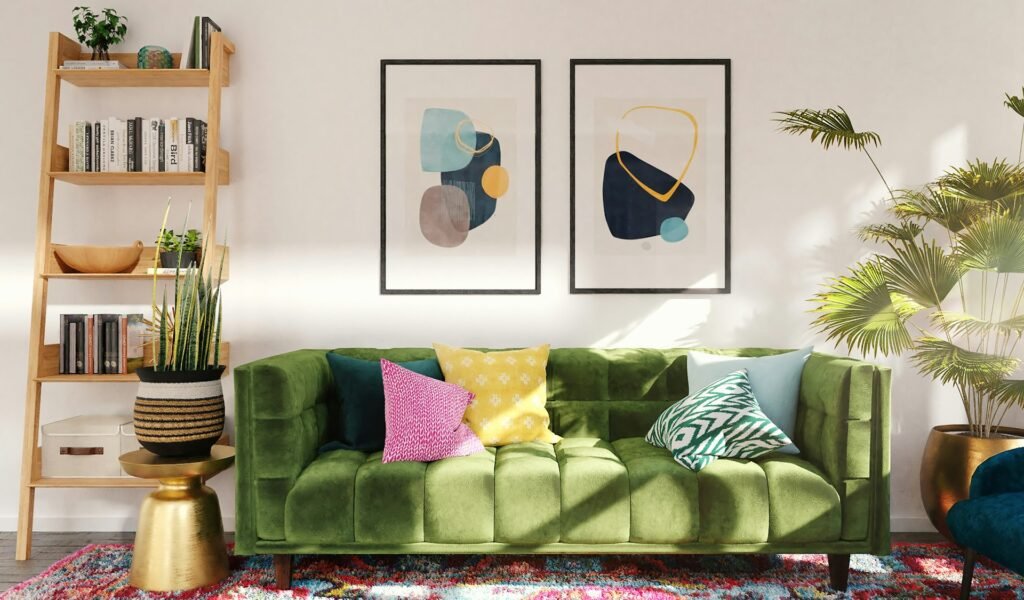
Affordable cushion covers and throws can introduce a completely different color scheme or texture.
For a coordinated appearance, choose two or three complementary colors. For example, a neutral sofa can be paired with cream, olive, brown, or muted blue accents.
Instead of buying ten cushions, choose a few that create contrast without overcrowding the seating area.
4. Update the Walls
Empty walls can make a living room feel unfinished, but expensive artwork is not necessary.
Affordable alternatives include:
- Printable artwork
- Personal photographs
- Thrifted frames
- Simple posters
- DIY artwork
- Decorative mirrors
- Small floating shelves
A collection of inexpensive frames can also be painted in one color to create a more coordinated look.
Tip: Choose one main wall as the focal point instead of decorating every wall.
5. Use Mirrors to Add Visual Depth
A mirror can be both decorative and functional.
When positioned strategically, it can reflect light and create the impression of greater visual depth. This can be especially helpful in smaller or darker living rooms.
Look for affordable mirrors at secondhand stores, discount retailers, or local resale marketplaces.
You can also update an old frame with paint if its shape and condition are suitable.
Remember that a mirror does not increase the physical size of the room—it simply changes how the space is perceived.
6. Improve Your Living Room Lighting
Lighting is often overlooked during budget makeovers.
If your living room feels dark, look at the light sources you already own before purchasing new ones.
Move table lamps to darker corners and consider adding a floor lamp if the room genuinely needs another source.
You can also use natural daylight more effectively by keeping windows clean and avoiding unnecessarily heavy window coverings.
Layered lighting from ceiling, table, floor, and accent sources can make a room feel more comfortable and visually interesting.
7. Shop Your Own Home
One of the most overlooked budget living room decor ideas is shopping from your existing belongings.
Look around other rooms for:
- Lamps
- Vases
- Plants
- Baskets
- Artwork
- Books
- Mirrors
- Decorative trays
An accessory that feels ordinary in one room may look completely different when moved into the living room.
Try several combinations before buying anything new.
8. Add Affordable Greenery
Plants can bring natural texture and color into a living room.
You do not need a large indoor garden. One appropriately sized plant can become an attractive focal point.
If floor space is limited, use a shelf, windowsill, side table, or suitable hanging location.
Choose plants based on your home’s available light and the amount of care you can provide.
Decorative pots can also become part of the design. A simple plant in an attractive container may provide more impact than several small accessories.
9. Give Your Coffee Table a Simple Makeover
A coffee table can become a focal point with just a few inexpensive items.
Try combining:
- A decorative tray
- A small plant or vase
- Two books
- A candle
- One small decorative object
Keep enough open space for practical use.
A tray is especially useful because it keeps several small objects visually connected and makes them easy to move when you need the table.
10. Use a Rug to Connect the Room
A rug can visually connect the seating area and help define the living room.
If your current rug looks worn, consider replacing it with an affordable washable or secondhand option.
Size matters. A rug that is too small can make the furniture arrangement feel disconnected.
Choose a simple pattern if the room already contains patterned curtains, cushions, or artwork. If your furniture is mostly plain, a patterned rug can add more visual interest.
11. Repurpose Old Furniture
Before throwing away an outdated piece, consider whether it can be repurposed.
A small wooden table can become a plant stand. An old cabinet can receive new hardware or a fresh finish. A stool can work as a side table.
Not every piece is suitable for modification, so check its condition and construction before starting a DIY project.
Repurposing can also give your living room a more personal appearance because the result is not identical to mass-produced furniture.
12. Create a Consistent Color Palette
A limited color palette can make inexpensive decor look more intentional.
Choose one main neutral shade and two or three accent colors. Repeat those colors through cushions, rugs, artwork, curtains, and small accessories.
For example:
Base: Beige or cream
Accent 1: Olive green
Accent 2: Terracotta
Accent 3: Natural wood
You do not have to follow these exact colors. Choose shades that complement your existing furniture.
The important thing is consistency.
13. Decorate With Secondhand Finds
Secondhand shopping can be an excellent option for a budget makeover.
Look for affordable:
- Side tables
- Lamps
- Mirrors
- Frames
- Vases
- Baskets
- Books
- Decorative furniture
Inspect items carefully before buying them. Check furniture stability, visible damage, odors, stains, and whether the dimensions will work in your room.
The goal is not simply to buy the cheapest item. Look for something that provides good value and fits your design.
14. Change the Small Details
Small details can have a surprisingly large effect.
Consider replacing inexpensive elements such as cabinet handles, drawer pulls, cushion covers, or decorative accessories.
You can also reorganize bookshelves or restyle a console table.
Instead of buying a large number of new items, focus on one area at a time.
This makes it easier to see which changes are actually improving the room.
15. Set a Clear Decorating Budget
A budget makeover still needs a budget.
Before shopping, decide how much you are willing to spend and divide the money according to your priorities.
For example:
$0–$50: Decluttering, rearranging, and shopping your home
$50–$100: Cushions, throws, small accessories, or artwork
$100–$250: Lighting, rugs, mirrors, or selected furniture
These are planning examples rather than fixed market prices. Actual costs vary by location, quality, retailer, and product.
Spend first on the problem that is most noticeable in your room.
Budget Living Room Decor Checklist
Before completing your makeover, ask:
- ✓ Did I rearrange the furniture?
- ✓ Did I remove unnecessary clutter?
- ✓ Can I reuse anything from another room?
- ✓ Does the room have enough lighting?
- ✓ Are the colors coordinated?
- ✓ Do the cushions and textiles need updating?
- ✓ Could a mirror improve the space?
- ✓ Would a rug help define the seating area?
- ✓ Can I find useful pieces secondhand?
- ✓ Have I stayed within my spending limit?
Conclusion
The best budget living room decor ideas are not necessarily the ones that involve buying the most things. A successful low-cost makeover focuses on smart choices: rearrange your furniture, reduce clutter, refresh textiles, improve lighting, and select a few affordable accessories that work together.
You can also save money by shopping your own home, repurposing furniture, buying secondhand, and concentrating your decorating budget on the areas that need the most attention.
With a little planning, your living room can feel fresh and stylish without requiring an expensive renovation.