Introduction
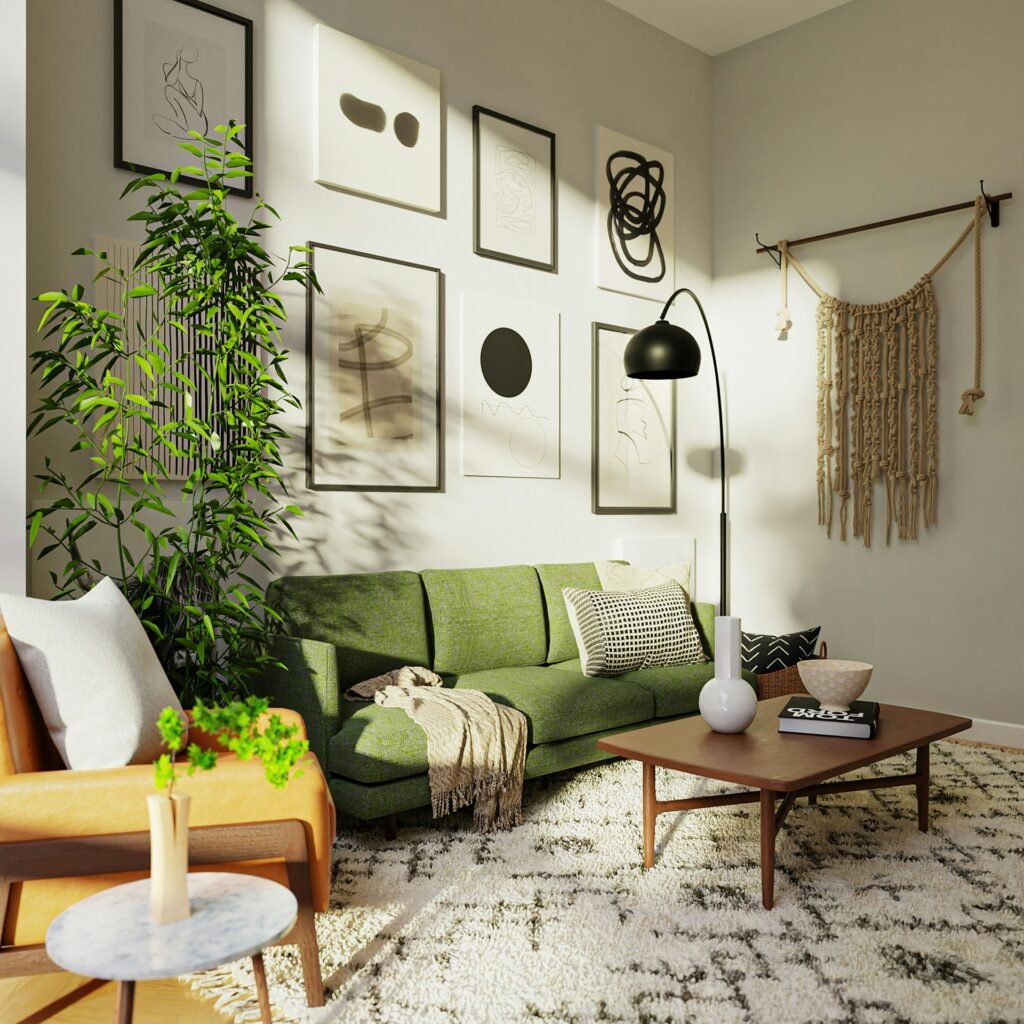
You do not need expensive furniture or a complete renovation to create a beautiful living room. With the right approach, cheap decorating ideas for a living room can make your space feel fresh, comfortable, and stylish without putting pressure on your budget.
The secret is to focus on changes that have a visible impact. Rearranging furniture, updating textiles, improving lighting, adding affordable wall decor, and removing unnecessary clutter can completely change the appearance of a room. In many cases, you can start with things you already own before spending any money.
Whether your living room is large, small, modern, traditional, or rented, these practical ideas can help you create an attractive space while keeping costs under control.
1. Rearrange Your Existing Furniture
One of the best budget decorating ideas costs nothing.
Before purchasing new furniture, try changing the position of your sofa, chairs, coffee table, and other major pieces. A different arrangement can improve movement through the room and create a new focal point.
Instead of automatically pushing every piece against the wall, experiment with different layouts. You may discover that your existing furniture works better than you expected.
Budget highlight: Always rearrange before you replace. A free layout change can give your living room a completely different appearance.
2. Refresh the Walls With Affordable Decor
Bare walls can make a furnished living room feel unfinished. However, you do not need expensive artwork to make them more interesting.
Consider:
- Framed family photographs
- Printable artwork
- Thrifted frames
- Simple wall clocks
- Decorative shelves
- DIY artwork
- Fabric or textile wall hangings
A small collection of coordinated pieces can create a stronger visual effect than randomly placing decorations across every wall.
If you have a large empty wall, consider creating one gallery arrangement rather than buying several expensive individual artworks.
3. Give Old Furniture a New Look
Replacing furniture is usually one of the more expensive ways to update a living room. If your existing pieces are structurally sound, consider refreshing them instead.
A dated side table or wooden cabinet may look completely different after cleaning, sanding, painting, or replacing its hardware.
Even changing drawer pulls or cabinet handles can create a noticeable update.
Important: Only attempt furniture refinishing when the material and existing finish are suitable for the project, and always follow the instructions for the products you use.
4. Change Cushion Covers Instead of the Sofa
Your sofa is often one of the largest visual elements in a living room. But you do not necessarily need to replace it to change the room’s appearance.
New cushion covers can introduce color, texture, and pattern at a relatively low cost.
Try combining two or three complementary colors rather than using many unrelated shades. For example, a neutral sofa can work with cushions in earthy green, beige, and warm brown.
You can also add one textured throw to make the seating area feel more layered and comfortable.
5. Use a Rug to Define the Seating Area
A rug can help visually connect a sofa, chairs, and coffee table into one seating zone.
If your current living room feels disconnected, a properly sized rug may create a more intentional appearance.
You do not necessarily need a premium designer rug. Look for affordable options, washable designs, or secondhand pieces that fit your style and practical needs.
When choosing a rug, consider the size carefully. A very small rug may look disconnected from the furniture arrangement.
6. Improve Lighting on a Small Budget
Lighting can change the atmosphere of a living room without requiring major construction.
If your room relies only on one ceiling fixture, consider adding another light source such as a table lamp, floor lamp, or suitable wall light.
Using multiple light sources at different heights can create more visual depth than relying on one overhead fixture.
For a budget makeover, you can also update an existing lamp with a new shade or move a lamp from another room.
Cheap decorating idea: Shop your own home first. A lamp, plant, mirror, or piece of artwork from another room may work perfectly in your living room.
7. Add Greenery
Plants are an easy way to introduce natural color and texture.
You do not need a large collection. One medium-sized plant in an attractive container or a few smaller plants can be enough.
If maintaining live plants is difficult, choose low-maintenance varieties that suit your home’s light conditions. Artificial greenery can also be used when appropriate.
Place plants on shelves, side tables, windowsills, or corners where they do not interfere with movement.
8. Create a Simple Focal Point
A living room looks more organized when there is a clear focal point.
Your focal point could be:
- A large mirror
- Artwork
- A fireplace
- A TV wall
- A statement lamp
- A styled console
- A feature wall
You do not need several expensive statement pieces. Choose one area to attract attention and keep surrounding decoration relatively simple.
This is one of the most effective cheap decorating ideas for a living room because it allows you to spend less while still creating a deliberate design.
9. Use Mirrors for Style and Light
A mirror can serve both decorative and practical purposes.
A strategically placed mirror can reflect light and create a greater sense of visual depth. It can be particularly useful in darker or smaller living rooms.
Look for affordable mirrors at secondhand shops, discount retailers, or local marketplaces.
You can also repaint an old mirror frame to match your new color scheme instead of purchasing a completely new piece.
10. Make Your Coffee Table Look Styled
A coffee table does not need expensive accessories to look polished.
Try creating a simple arrangement using three or four items, such as:
- A small tray
- Two or three books
- A vase
- A candle
- A small plant
The goal is to create visual interest without covering the entire table.
A tray can also make it easier to move the accessories when you need the table for everyday use.
11. Decorate With Secondhand Finds
Secondhand shopping can help you find unique decor for less than buying everything new.
Look at local thrift stores, charity shops, garage sales, online marketplaces, and community resale groups.
Potential finds include:
- Mirrors
- Lamps
- Frames
- Side tables
- Vases
- Baskets
- Books
- Small cabinets
Inspect secondhand furniture carefully for condition, stability, damage, and suitability before purchasing.
The goal is not to buy the cheapest item available. It is to find something useful, attractive, and durable at a reasonable price.
12. Choose a Simple Color Palette
A consistent color palette can make affordable decor look more intentional.
Choose one primary neutral color and add one or two accent shades. Repeat those colors through cushions, curtains, artwork, rugs, and accessories.
For example, a beige living room could use olive green and terracotta as accent colors.
Sticking to a limited palette can also reduce unnecessary purchases because you are less likely to buy accessories that do not coordinate with the rest of the room.
13. Declutter Before Buying More
Sometimes the best decoration is less decoration.
Remove objects that are broken, unused, outdated, or simply taking up space. Clear unnecessary items from shelves, tables, and floors.
This costs nothing and can make the room feel calmer.
Once you declutter, you may also discover that you do not need as many new decorative items as you originally thought.
Money-saving rule: Do not buy storage containers until you know exactly what needs to be stored.
14. Use Textiles to Add Warmth
Textiles are an affordable way to change the mood of a room.
Try updating:
- Curtains
- Cushion covers
- Throws
- Area rugs
- Table runners
- Decorative blankets
Mixing different textures can make a simple room feel more comfortable and layered.
You do not need to replace everything at once. Start with the item that looks most worn or outdated and gradually update the rest.
15. Create a Decorating Budget
Even cheap decorating can become expensive when you buy too many items.
Set a maximum amount before shopping and divide it according to priority.
For example:
40% — textiles and soft furnishings
25% — wall decor
20% — lighting
15% — small accessories
These percentages are only a planning example, not a fixed rule. Your priorities should depend on what your living room actually needs.
If your lighting is poor, spend more on lighting. If your walls are completely bare, wall decor may deserve more attention.
Budget Living Room Makeover Checklist
Before finishing your makeover, check these simple ideas:
✓ Rearrange furniture first
✓ Declutter unnecessary items
✓ Refresh cushion covers
✓ Add affordable wall art
✓ Improve lighting
✓ Introduce one or two plants
✓ Use a suitable rug
✓ Shop secondhand
✓ Repurpose furniture you already own
✓ Keep your color palette consistent
✓ Set a spending limit
Conclusion
The best cheap decorating ideas for a living room focus on impact rather than quantity. You can create a noticeable transformation by rearranging existing furniture, refreshing textiles, improving lighting, adding affordable wall decor, and reducing clutter.
Instead of trying to replace everything at once, identify the one or two things that make your living room feel outdated. Start there and build gradually.
A stylish living room is not necessarily the one with the most expensive furniture. It is the space where the layout works, the colors feel connected, the lighting is comfortable, and the decor reflects your personal style—all without exceeding your budget.